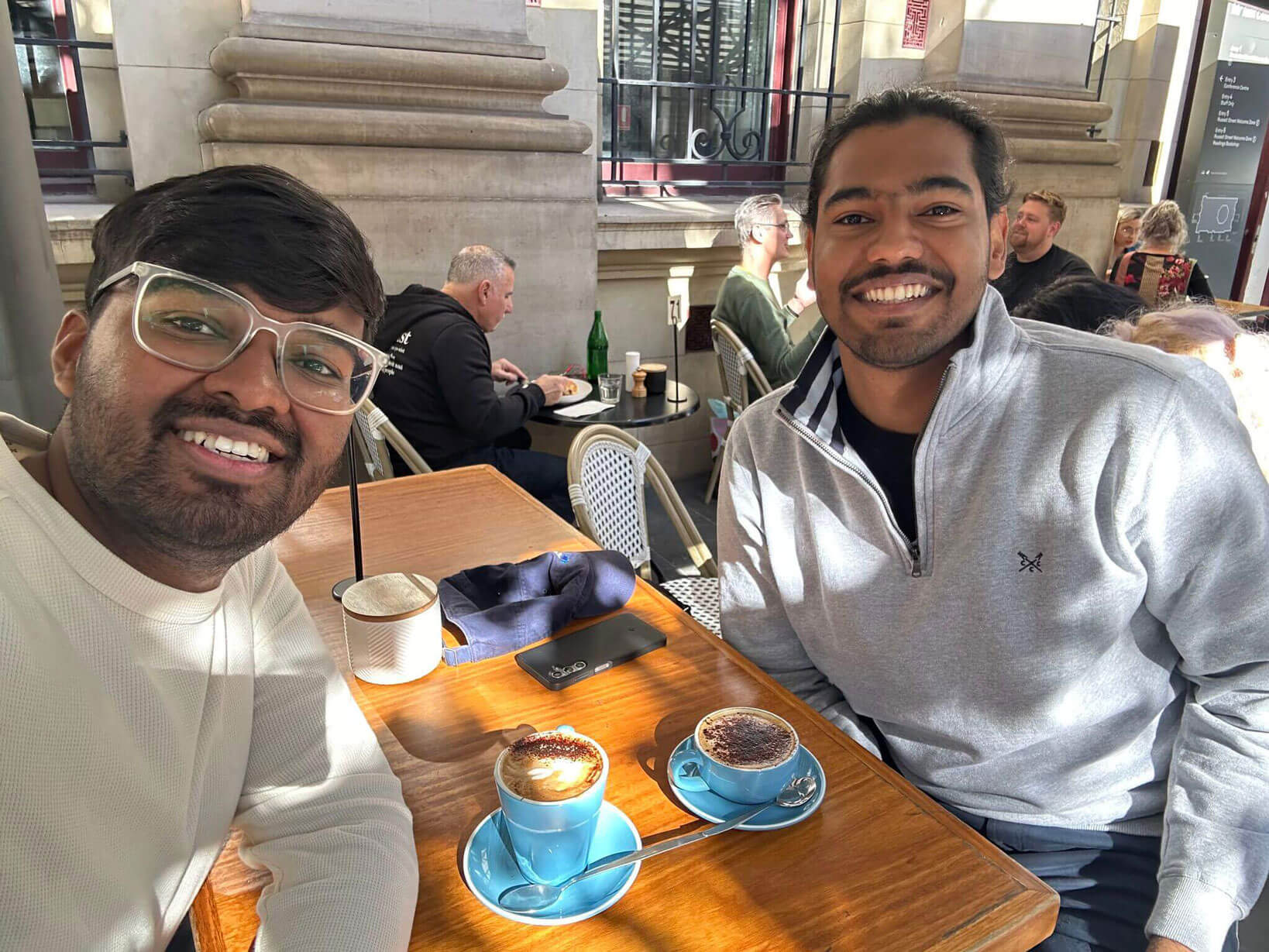

I had the opportunity to connect with Sobin Paul Singh Dhanjal, an emerging leader in health economics, passionate about creating accessible healthcare systems. Sobin shared insights from his journey, the impact of his diverse roles, and his thoughts on the future intersection of technology and health economics.
📍Q: What motivated you to specifically focus on creating more accessible healthcare systems? How do you envision your role evolving in this field?
Sobin: “Initially, transitioning into health economics was daunting since my background wasn’t in health systems. After engaging with professors and diving into the subject, I realised the significant potential for research and impact, particularly around equity in resource distribution. The field’s expansive scope for innovation reassured me of my decision. I’m excited to explore resource allocation strategies that can fundamentally enhance healthcare access and efficiency.”
📍Q: How have your roles as a mentor and a swimming coach influenced your approach to health economics and leadership within healthcare projects?
Sobin: “Coaching swimming honed my communication skills, teaching me to adjust my message for diverse groups, from children to adults. This experience broadened my perspective on effective information delivery. My role as a mentor, particularly through Deakin University’s mentorship program where I received the Outstanding Mentorship Award, emphasized the importance of practical impact over theoretical knowledge. It’s about making a tangible difference in people’s lives.”
📍Q: Given the rapid advancements in data analytics, how do you see the intersection of technology and health economics shaping future healthcare policies?
Sobin: “My background in business analytics has been invaluable in navigating the vast data integral to modern healthcare. Technology, especially AI and telehealth, holds transformative potential for developing countries to enhance healthcare delivery and reduce costs. Implementing these technologies can significantly relieve staff burdens and automate routine tasks, leading to more effective and economically sound healthcare solutions.”
📍Q: One message for the world?
Sobin: “Contribute positively to society, keep giving, and make the most of what you receive. Always strive to improve yourself and the community around you.”
✨Key Takeaways:
Sobin’s journey underscores the importance of cross-disciplinary skills and the power of technology in shaping the future of healthcare economics. His commitment to equity and resource optimisation is poised to make significant contributions to more accessible healthcare systems worldwide.